

Gloucester Road flat removals tips from local movers
Posted on 30/06/2026
If you are planning a flat move around Gloucester Road, you already know the tricky bits are rarely the boxes themselves. It is the stairs, the parking, the awkward corners, the lift that is just a bit too small, and the fact that London traffic has its own mood every day. That is where Gloucester Road flat removals tips from local movers really earn their keep: local know-how can save time, reduce damage, and stop a fairly ordinary move from turning into a long, sweaty, expensive day.
This guide pulls together the practical advice people actually need before moving day. You will find planning tips, packing ideas, building access advice, a comparison of moving methods, and a realistic checklist you can use straight away. We will also touch on safety, insurance, and a few things local movers wish more people knew before they started carrying furniture down narrow communal hallways. To be fair, a little preparation goes a long way.
Why Gloucester Road flat removals tips from local movers Matters
Gloucester Road sits in one of those parts of London where access can be deceptively difficult. On paper, a flat move may look simple: one van, a few strong arms, and a set of boxes. In reality, the success of the move often depends on the details that local movers notice immediately. Is there resident permit parking nearby? Is the entrance off a busy road? Are there time restrictions for loading? Does the block have a lift, and if it does, can it actually take a sofa or wardrobe?
Local movers build their advice around these small realities. That matters because flat removals are usually more sensitive to timing and access than house moves. A single delay can affect the whole schedule, especially if you are moving in a shared building with narrow corridors or a busy concierge desk. If you have ever watched a bed frame pause awkwardly in a hallway while someone mutters, "It looked smaller in the bedroom," you will know the feeling.
It also matters for protecting your belongings. Flats often have more stairs, tighter turns, and more contact points than people expect. Scratched walls, chipped furniture edges, and damaged lamp bases are common when the move is rushed or poorly planned. Practical local tips are not about making the process fancy. They are about making it work.
For readers who want a fuller view of local moving support, the broader removal services overview gives helpful context, while the page for flat removals in Earls Court is useful if you are comparing service types in the wider neighbourhood.
How Gloucester Road flat removals tips from local movers Works
Good flat removals are usually built in stages. First comes planning, then packing, then access arrangements, then the loading and transport itself. The local-mover advantage is that each stage is adjusted to the streets, the buildings, and the likely bottlenecks in the area. That sounds obvious, but many people still book a move as if every property were a detached house with a driveway. It is not.
Here is the basic flow local movers tend to use:
- Survey the flat and the access route. This means understanding the stairs, lift, parking, and any tight internal corners.
- Match the van size to the load. Too small and you need multiple trips; too large and parking becomes awkward.
- Pack by priority. Essentials and fragile items are separated from general household items.
- Protect both the property and furniture. Covers, blankets, and proper lifting technique matter here.
- Load in a planned sequence. Large items go in first, with lighter boxes and awkward pieces arranged safely around them.
- Deliver and place items room by room. This saves time and reduces the need to reshuffle heavy furniture later.
That sequence may sound straightforward, but the value is in the timing. Local movers can often estimate how long each stage will take because they have seen similar buildings before. A flat on the second floor with a narrow stairwell will behave very differently from a ground-floor apartment with direct access. Simple enough, but easy to underestimate.
If you are trying to decide between different types of moving support, it can help to compare man with a van services, man and van removals, and a fuller removal van option. The right choice depends on your volume of belongings, access conditions, and how much help you need on the day.
Key Benefits and Practical Advantages
When local movers guide a flat removal properly, the benefits show up in very practical ways. It is not just about speed. It is about control, predictability, and fewer unpleasant surprises.
- Less time wasted on access problems. If your movers know the local streets and common loading issues, they can plan around them.
- Lower risk of damage. Better packing and sensible handling means fewer knocks on furniture and walls.
- Cleaner scheduling. A realistic timeline helps you coordinate check-out, key handover, and cleaning without panic.
- Smarter van choice. The right vehicle can reduce trips and improve the overall flow of the move.
- Less stress on moving day. Honestly, that may be the biggest win. A calm move feels very different from a chaotic one.
There is also a financial benefit. A better planned move usually avoids wasted labour time, repeat trips, or last-minute add-ons caused by poor preparation. If you want to get a sense of pricing expectations before you commit, have a look at the company's pricing and quotes information. Transparent pricing is easier to work with than guesswork, every time.
And for people who are moving with limited belongings, student items, or just a small flat load, the advice can be especially valuable. In those situations, choosing the right service type often matters more than booking the biggest vehicle available. Bigger is not always better. Sometimes it just means a more awkward parking day.
Who This Is For and When It Makes Sense
This kind of guidance is useful for a lot of people, not only those moving out of a first-floor studio. It is especially helpful if your move has any of the following features:
- you live in a mansion block, conversion flat, or building with shared access
- you need to move around work hours or building restrictions
- you have furniture that needs careful handling, such as wardrobes, mirrors, or glass tables
- you are moving on a tight schedule and cannot afford delays
- you are downsizing and need help deciding what to take, store, or sell
- you are new to London and not fully familiar with local parking or loading realities
It also makes sense for people who are deciding whether to book a full service or something smaller. A student leaving a furnished flat, for example, may only need practical packing help and a vehicle. A family moving from a flat with heavier furniture may need a more coordinated approach and extra care around stairways. Different situation, different solution.
Local movers are particularly valuable when timing is sensitive. If your landlord wants the keys back by lunchtime, or if the new property has a narrow arrival window, local experience can be the difference between a smooth exchange and a long, apologetic phone call. Nobody enjoys that call.
Step-by-Step Guidance
Here is a sensible, real-world approach to planning a flat removal near Gloucester Road.
1. Start with a proper inventory
Make a list of what is moving. Keep it rough if you need to, but be honest. One "small box of books" can turn into three heavy boxes without warning. Note the large furniture, fragile items, and anything awkward to carry. This helps with van size, packing materials, and the number of movers needed.
2. Check access before you pack
Look at the lift size, stair width, entrance steps, and the nearest legal loading space. If there are restrictions, tell the mover early. Local crews can plan around a lot, but only if they know about it. It sounds basic, yet this is where many people trip up.
3. Declutter before the boxes multiply
Flat moves are the ideal time to cut clutter. Separate what you keep, sell, donate, recycle, or place into storage. If you are reducing volume, you may save time and lower transport costs. For items you cannot take right away, storage in Earls Court can be a practical bridge between homes.
4. Pack room by room
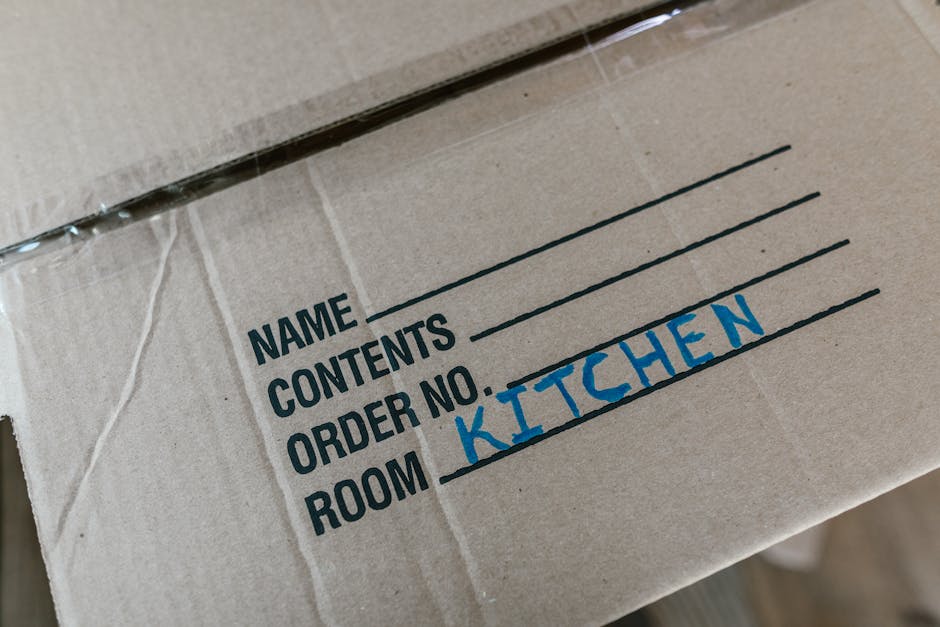
That method keeps unpacking manageable and helps movers place items accurately at the other end. Label each box clearly with the room and a short contents note. Use bold handwriting if you can. Tiny handwriting on a white box is a tiny curse, really.
5. Protect fragile items properly
Wrap glassware, ceramics, lamps, and electronics with suitable packing materials. Keep heavier items low in the box and avoid overfilling. A box that is too heavy is not a clever box; it is a future problem.
6. Prepare a first-night bag
Pack essentials separately: chargers, documents, medication, toilet paper, tea bags, kettle, a change of clothes, and basic toiletries. If you arrive late and the boxes are stacked to the ceiling, you will be grateful. You really will.
7. Confirm the moving plan the day before
Check arrival time, access instructions, parking details, and contact numbers. If you are using a same-day slot or a fast turnaround, this is even more important. You can also review same-day removals support if your schedule is especially tight.
8. Walk through the flat before the van leaves
Do one last check for cupboards, balconies, wardrobes, and behind doors. It is surprising how often keys, remotes, and chargers turn up in the final ten minutes.
Expert Tips for Better Results
Local movers tend to repeat a few pieces of advice because they work. Not glamorous, not magical. Just solid.
Use furniture protection even for short moves. It only takes one scrape on a hallway wall or one knocked doorframe to make a "quick move" feel expensive. Blankets, wraps, and corner protection are worth it, especially in older buildings.
Disassemble only what needs it. Beds, dining tables, and bulky wardrobes may need to come apart. But do not dismantle everything in sight just because you can. Extra screws have a habit of vanishing into the carpet at the worst possible time.
Keep corridor traffic clear. In a flat move, the shared route is part of the job. Staging boxes neatly near the exit helps movers work faster and keeps neighbours happier.
Tell movers about delicate or high-value items. If something needs special handling, say so early. This includes artwork, musical instruments, and awkwardly shaped furniture. For unusually delicate pieces, a dedicated furniture removals approach can be a better fit.
Choose the right level of service. If you only need transport, a smaller option may do the job. If you need loading, lifting, packing, and careful placement, a fuller service is often worth it. For some readers, the broader removal services page is a useful starting point.
Plan around building rhythms. In London, mornings can be chaotic, and later in the day service lifts or common areas may be busier. A well-timed slot reduces friction. Small thing, big difference.
Expert summary: the best flat removals near Gloucester Road are usually not the fastest on paper, but the best prepared. The move feels quicker because less is left to chance.

Common Mistakes to Avoid
Some mistakes show up again and again. The good news is that they are avoidable.
- Underestimating volume. People routinely forget wardrobes, cupboard contents, and the "few things in the shed" equivalent for flats.
- Booking too late. Good time slots fill up, especially around month-end and weekends.
- Ignoring parking rules. If the van cannot stop near the building, the whole move slows down.
- Poor labelling. The unpacking stage becomes messy, and items end up in the wrong room.
- Overpacking boxes. Boxes can fail, backs can ache, and nobody wins.
- Leaving fragile items loosely wrapped. Newspaper alone is not always enough for breakables.
- Not checking insurance coverage. This is one people often forget until they really wish they had not.
Another big one: assuming every mover works the same way. They do not. Some are better suited to quick, light moves; others are better for larger flat loads or awkward access. It is worth asking questions early rather than making assumptions later.
Tools, Resources and Recommendations
You do not need a warehouse of equipment to move well, but a few practical tools make a genuine difference.
- Sturdy boxes: use a mix of sizes so books and kitchen items are not crammed together.
- Packing tape and dispenser: saves time and prevents poorly sealed boxes.
- Furniture blankets: useful for larger items and tight hallways.
- Bubble wrap or paper wrap: for glass, ceramics, and fragile homeware.
- Labels and marker pens: essential, really. No one enjoys mystery boxes.
- Zip bags: ideal for screws, bolts, and small hardware from dismantled furniture.
If you are still gathering boxes or other packing supplies, the packing and boxes page is a useful place to look. For larger or more awkward pieces, a dedicated removal van can help keep everything organised and properly secured in transit.
There are also a few non-item resources worth keeping close:
- your tenancy agreement, for move-out requirements
- your building manager or concierge contact details
- your new address and access instructions
- your inventory list and room labels
- your mover's booking confirmation and arrival time
And if you want reassurance about how the company approaches reliability, the pages on insurance and safety and payment and security are worth reading before you book.
Law, Compliance, Standards, or Best Practice
Flat removals in London usually involve a few practical standards rather than one dramatic legal hurdle. The main point is to move safely, respect property rules, and keep access arrangements lawful and sensible.
In practice, that means checking parking and loading restrictions carefully, following building rules, and making sure items are lifted and carried in a way that reduces injury risk. Local movers should be mindful of manual handling best practice, because carrying a sofa down stairs is not a task to improvise. It is all too easy to hurt a back or damage a wall if the route is not planned.
Good movers also understand the importance of insurance, clear terms, and honest communication about what they can and cannot do on the day. If a move involves a very heavy item, a tight stairwell, or a lift that cannot safely take the load, that should be discussed in advance rather than discovered halfway down the corridor.
If you are comparing providers, it can help to read the company's policies pages, such as health and safety policy, terms and conditions, and privacy policy. These are not thrilling reads, admittedly, but they do tell you a lot about how seriously a mover treats the basics.
One more thing: if you need to dispose of unwanted items responsibly, check whether recycling or sustainability support is available. The page on recycling and sustainability may help you think through what can be reused, recycled, or moved on elsewhere.
Options, Methods, or Comparison Table
Different flat moves call for different approaches. Here is a simple comparison to help you decide what makes sense.
| Method | Best for | Strengths | Watch-outs |
|---|---|---|---|
| Man with a van | Small to medium flat moves, lighter loads | Flexible, practical, often efficient for tight access | May be less suitable for very large or complex moves |
| Man and van | General flat removals with some loading help | Good balance of assistance and value | Check capacity and handling support in advance |
| Removal van with fuller support | Larger flats, heavier furniture, more fragile items | Better for coordinated moves and careful loading | May need more planning and a clearer schedule |
If you are unsure which option fits your flat, think in terms of access and volume first, not just price. A cheap choice that cannot actually handle your staircase is not cheap for long. For a broader picture of available help, the removal companies page can be useful when comparing support levels and scope.
Case Study or Real-World Example
Here is a realistic example from the kind of move local crews see all the time.
A tenant in a two-bedroom flat near Gloucester Road needed to move on a weekday afternoon. The property had a narrow staircase, a shared entrance, and limited stopping space outside. On the surface, it looked manageable. But the moving team spotted two issues straight away: the sofa would need careful turning at the landing, and the collection time needed to avoid the building's busier lunch period.
Before moving day, the tenant packed room by room, separated fragile kitchen items, and disassembled a bed frame. The movers arranged the van so the largest items came off first at the destination. They used covers for the sofa and table edges, and the boxes were labelled clearly enough that the kitchen stuff landed in the kitchen rather than the spare room, which sounds small, but it saves a lot of faffing later.
The biggest improvement came from the access planning. Because the mover already understood the local streets and loading pressures, the team did not waste time circling for an unrealistic space. The result was calm rather than dramatic. That is usually the goal, truth be told.
If you are moving because you are selling rather than renting, this kind of planning can also help with presentation and deadlines. The company's article on tips for selling faster in Earls Court may be useful if your move is part of a wider property timeline.
Practical Checklist
Use this checklist in the days before your move.
- Confirm the moving date, arrival window, and contact number.
- Check parking and loading options near the flat.
- Measure large furniture against stair and lift access.
- Pack essentials separately for your first night.
- Label every box with room name and contents.
- Set aside screws, bolts, and keys in a single bag.
- Protect mirrors, screens, and glass items properly.
- Declutter items you do not want to move.
- Inform the mover about any fragile, bulky, or valuable pieces.
- Do a final walkthrough of every room, cupboard, and balcony.
- Keep documents, chargers, and medication with you.
- Plan cleaning and key handover after the van has left.
One small but important tip: keep a bit of water and a snack handy. It sounds almost silly, but moves have a way of turning into long afternoons. A short pause makes everyone better at the job.
Conclusion
Gloucester Road flat removals do not have to be complicated, but they do reward careful planning and local insight. The most useful tips from local movers are usually the practical ones: check access early, pack with purpose, choose the right vehicle, and keep your essentials close. Do those things well and the move becomes much more manageable, even if the building has a stubborn staircase or the street is busy at the wrong moment.
For many people, the real value of local movers is not just muscle. It is judgement. They know where delays happen, how to plan around London access issues, and what makes a flat move feel organised instead of chaotic. That kind of experience is easy to overlook until you need it. Then it becomes obvious.
If you are comparing options, take a moment to review the service pages, the policy pages, and the practical advice available on the site. It is a simple way to make a calmer decision and avoid last-minute stress.
Get a free quote today and see how much you can save.
And if you do nothing else, start with the boxes. The rest has a habit of falling into place once the packing begins.